Drug checking can reveal important information about research chemical samples, but no test can guarantee safety. This European guide explains what analytical testing detects, why results can be incomplete, and how toxicology supports risk awareness.
Tag Archives: novel psychoactive substances
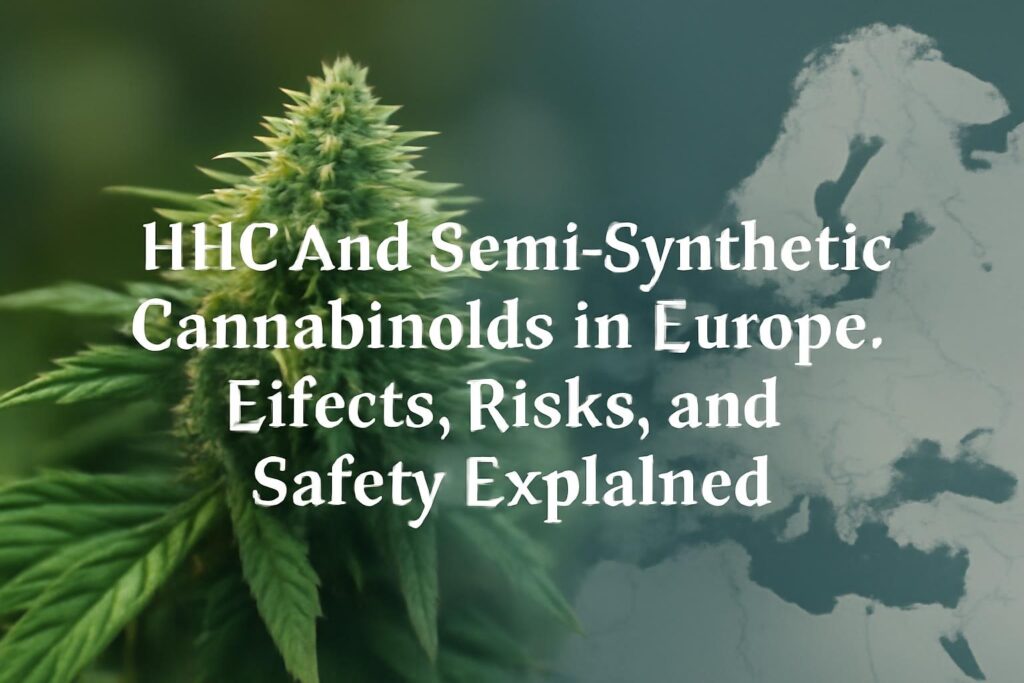
Semi-synthetic cannabinoids such as HHC have created new questions about psychoactive effects, product safety, testing, and European regulation. This guide explains the science and practical risks without treating unfamiliar products as harmless alternatives.
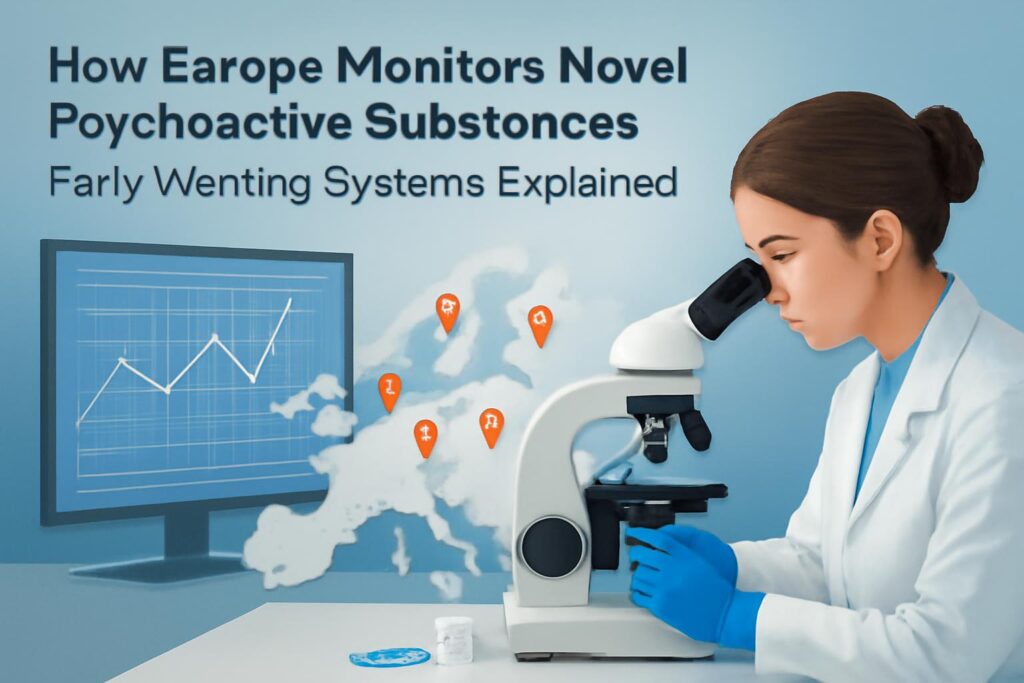
NPS monitoring in Europe combines laboratory analysis, hospital reports, poison-centre data, wastewater testing, and early-warning networks to identify emerging psychoactive substances before risks become widespread.
Nitazenes are a group of highly potent synthetic opioids increasingly detected in Europe. This educational guide explains their pharmacology, health risks, warning signs, and the public-health challenges created by rapidly changing illicit markets.
A practical, Europe-focused guide to research chemical risks in 2026 — covering toxicity, dosing uncertainty, contamination, legal exposure, and evidence-based harm reduction for laboratory and research professionals.
Identification is the foundation of every responsible research chemical practice. This guide explains how compounds are verified in European laboratories in 2026, what drug-checking services can and cannot detect, and why analytical confirmation matters more than ever as novel psychoactive substances proliferate.
Research chemical safety is more than a compliance checkbox. This guide explains how European laboratories and qualified professionals can build a practical safety framework around risk assessment, handling, storage, documentation, and harm reduction principles.
Understanding how research chemicals interact with the brain is essential for anyone working with novel psychoactive substances in a laboratory context. This guide explains the core neurotransmitter systems involved, how receptor binding and reuptake inhibition shape pharmacological profiles, why structural tweaks can produce dramatically different effects, and where the scientific data still falls short.
Novel psychoactive substances (NPS) have reshaped the European research chemical landscape. This guide explains what NPS are, how they differ from traditional research chemicals, their pharmacology and health risks, and how EU regulations are evolving to address them.
Research chemical toxicity is a central concern for European laboratories studying novel psychoactive substances. This guide explains toxicological mechanisms, risk factors, and harm reduction frameworks that support responsible research practice.
- 1
- 2