Tag Archives: research chemical safety

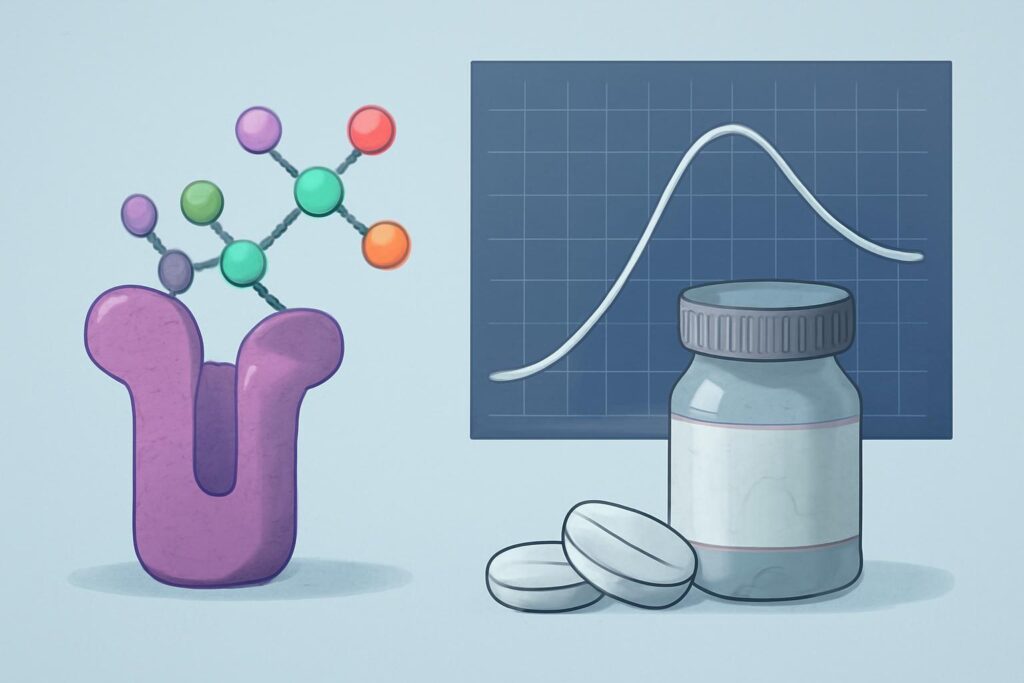
Research Chemical Pharmacology Explained: Why Receptor Profiles Do Not Predict Safety

research chemical pharmacology - Research Chemical Pharmacology Explained: Why Receptor Profiles Do Not Predict Safety

Research chemical pharmacology can help explain how novel compounds interact with the body, but receptor data alone cannot predict human effects or safety. This guide examines pharmacodynamics, pharmacokinetics, variability, toxicity, and responsible interpretation of laboratory findings.


Research Chemical Chain of Custody in Europe: Documentation, Labelling, and Responsible Handling

research chemical chain of custody - Research Chemical Chain of Custody in Europe: Documentation, Labelling, and Responsible Handling

A clear research chemical chain of custody helps laboratories document what was received, how it was stored, who handled it, and how it was ultimately disposed of. This practical European guide explains the process without confusing paperwork with proof of safety.

Drug Checking for Research Chemicals in Europe: What Toxicology Can and Cannot Tell You

drug checking research chemicals Europe - Drug Checking for Research Chemicals in Europe: What Toxicology Can and Cannot Tell You

Drug checking can reveal important information about research chemical samples, but no test can guarantee safety. This European guide explains what analytical testing detects, why results can be incomplete, and how toxicology supports risk awareness.

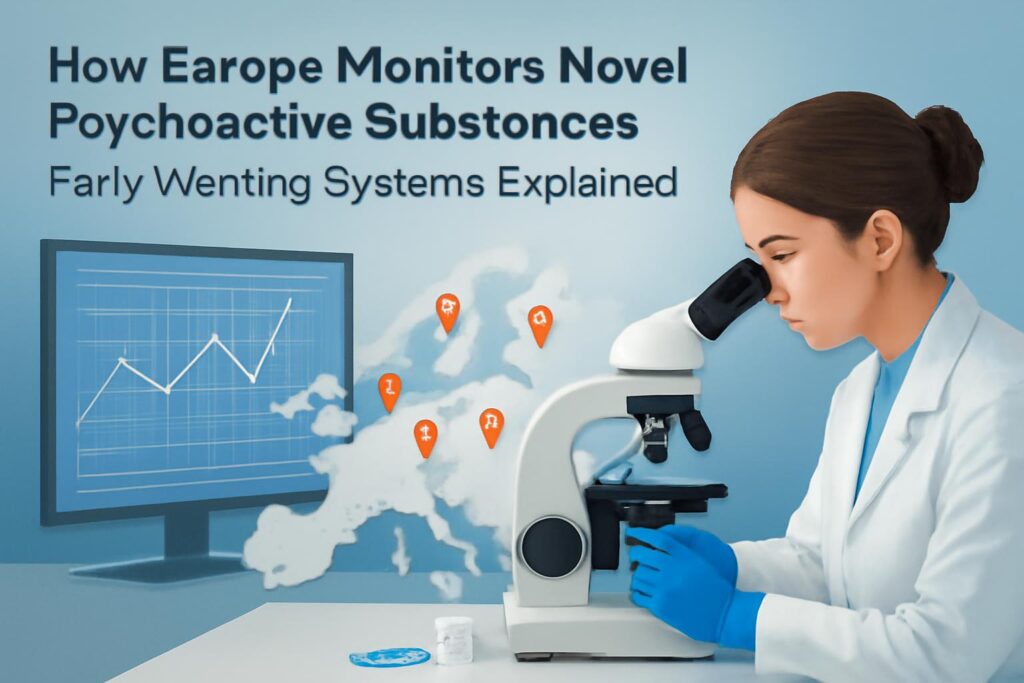
How Europe Monitors Novel Psychoactive Substances: Early-Warning Systems Explained

NPS monitoring Europe - How Europe Monitors Novel Psychoactive Substances: Early-Warning Systems Explained

NPS monitoring in Europe combines laboratory analysis, hospital reports, poison-centre data, wastewater testing, and early-warning networks to identify emerging psychoactive substances before risks become widespread.

Research Chemical Risks and Harm Reduction in Europe: A Practical 2026 Guide for Laboratory Professionals

A practical, Europe-focused guide to research chemical risks in 2026 — covering toxicity, dosing uncertainty, contamination, legal exposure, and evidence-based harm reduction for laboratory and research professionals.

Research Chemical Safety in Europe: A Practical Guide to Risk Assessment, Handling, and Harm Reduction

Research chemical safety is more than a compliance checkbox. This guide explains how European laboratories and qualified professionals can build a practical safety framework around risk assessment, handling, storage, documentation, and harm reduction principles.

Research Chemical Side Effects and Health Risks: A European Guide to Recognising Warning Signs

Research chemical side effects range from mild physiological responses to severe, life-threatening toxicity. This European guide examines how novel psychoactive substances interact with the body, which warning signs matter most, and why structured harm reduction principles remain essential for anyone studying these compounds.

Research Chemicals Explained: History, Terminology, and Classifications for European Readers

Research chemicals explained from the ground up: where the term came from, what it actually means today, how these compounds are classified, and why European regulation treats them as a moving target. A plain-language educational overview for curious readers, students, and laboratory professionals.

Research Chemicals and the Brain: How Novel Psychoactive Substances Interact with Neurotransmitter Systems

Understanding how research chemicals interact with the brain is essential for anyone working with novel psychoactive substances in a laboratory context. This guide explains the core neurotransmitter systems involved, how receptor binding and reuptake inhibition shape pharmacological profiles, why structural tweaks can produce dramatically different effects, and where the scientific data still falls short.

Research Chemical Classifications Explained: A European Guide to Chemical Families, Pharmacology, and Identification

Research chemical classifications organise a vast and fast-changing landscape of novel psychoactive substances into meaningful chemical families. This guide explains the major classes, how they differ pharmacologically, and why accurate identification matters for laboratory and regulatory contexts across Europe.