
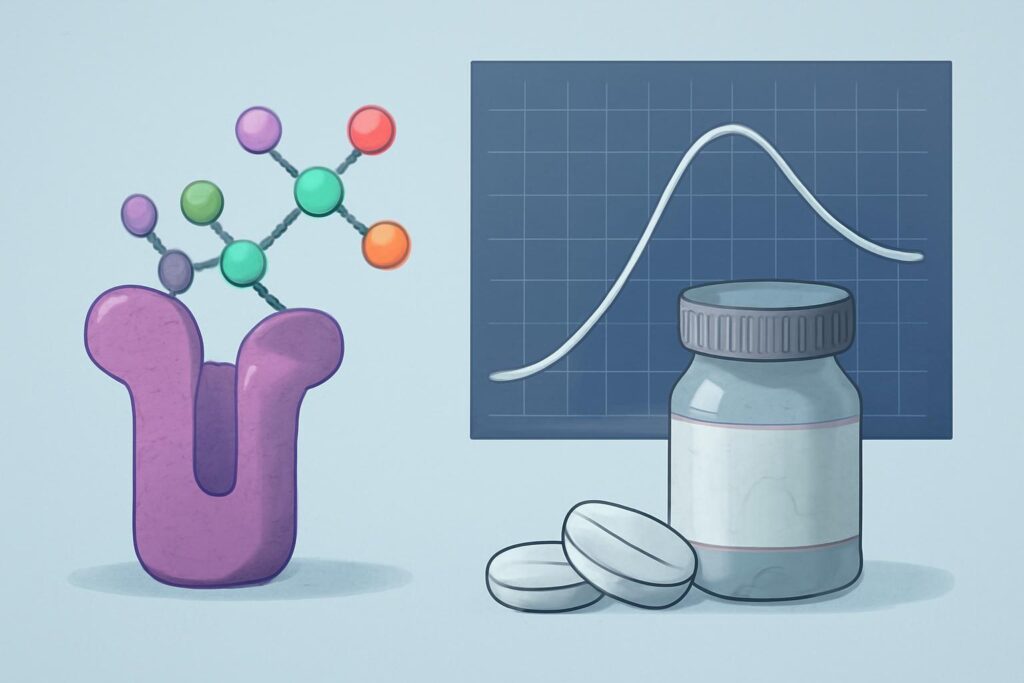
Research chemical pharmacology can help explain how novel compounds interact with the body, but receptor data alone cannot predict human effects or safety. This guide examines pharmacodynamics, pharmacokinetics, variability, toxicity, and responsible interpretation of laboratory findings.
Tag Archives: research chemical pharmacology
Emerging psychoactive substances appear faster than legislation can track them. This guide explains how new compounds enter the European market, how EU monitoring systems respond, and what the shifting NPS landscape means for researchers, laboratories, and public health.
Research chemical classifications organise a vast and fast-changing landscape of novel psychoactive substances into meaningful chemical families. This guide explains the major classes, how they differ pharmacologically, and why accurate identification matters for laboratory and regulatory contexts across Europe.
Research chemical toxicity is a central concern for European laboratories studying novel psychoactive substances. This guide explains toxicological mechanisms, risk factors, and harm reduction frameworks that support responsible research practice.

